HydroHoist Leaks Down Overnight: What to Document Before Service
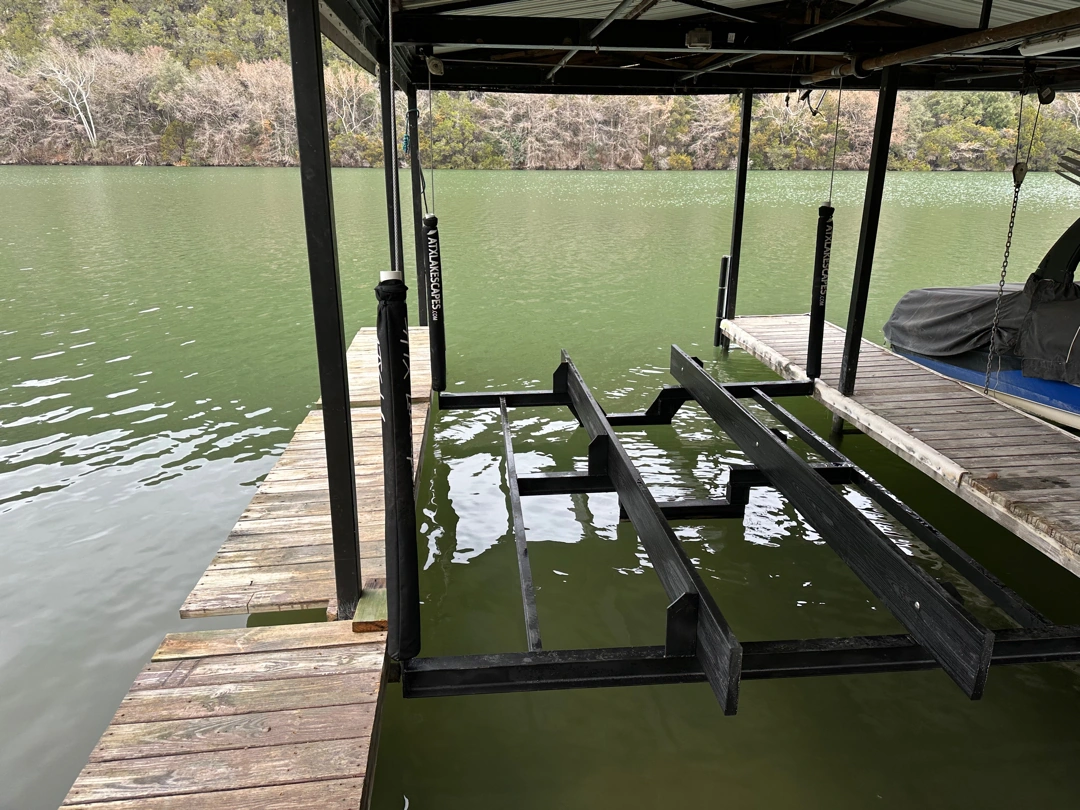
A lift that sits lower after being raised needs a model-specific assessment. Before buying parts or following a repair checklist, identify the lift and its control system, record what changed, and review the manufacturer's instructions. This guide explains what information to gather; it is not a repair procedure.
Air-flotation and hydraulic systems are different
HydroHoist's UltraLift range uses air and water displacement in flotation tanks. Adding air displaces water to raise the lift; releasing air allows water to return as it lowers. Hydraulic-cylinder explanations should not be applied to this system without first confirming that they describe the equipment actually installed. HydroHoist's UltraLift guidance explains the operating principle.
Document the symptom without diagnosing it from a photograph
Tell the service provider when the lift was raised, when you noticed the change, whether one side or the entire lift lowered, and whether the boat or installation changed recently. Include photographs from safe dock access and any available service record. A description of overnight settling does not by itself establish a failed valve, damaged tank or hose leak.
For its 4400/6600 UL2 front-mount models, HydroHoist's troubleshooting manual lists a valve, tank or hose leak as a possible cause of leak-down. Use the manual for that model only when it matches the installation. Other models and control systems need their own documentation. The manufacturer's manual library is the starting point for finding the right instructions.
Prepare a useful service request
Send the property location, model identification, photos, symptoms and any prior work. Ask the provider to confirm equipment and parts fit before the visit. Agree on the assessment scope and what the written findings will include, then review any proposed repair separately.
Follow your model's operating and safety instructions. Do not dismantle the lift, open controls or change the installation based on a general article. If you are unsure whether the lift can be used safely, contact an authorized HydroHoist technician before further operation.
Confirm timing and cost for your lift
Availability, parts, access and the required work affect the service plan. Ask for the current visit charge and diagnostic scope before scheduling, and confirm how any diagnostic charge is treated if you approve a repair. No same-day response, one-visit repair or all-model service guarantee is made here.
Request a lift assessment with your model and property details. You can also review our boat lift service page for the information needed to discuss a project.
Ready to Start Your Lakefront Project?
Schedule a free consultation with our team today.
Book a ConsultationKeep Reading

How Long Does It Take to Build a Boat Dock in Austin?
Read
Best Boat Dock Builder in Austin TX: How to Choose the Right Marine Contractor
Read