
Shoreline Erosion Control on Lake Travis & Lake Austin
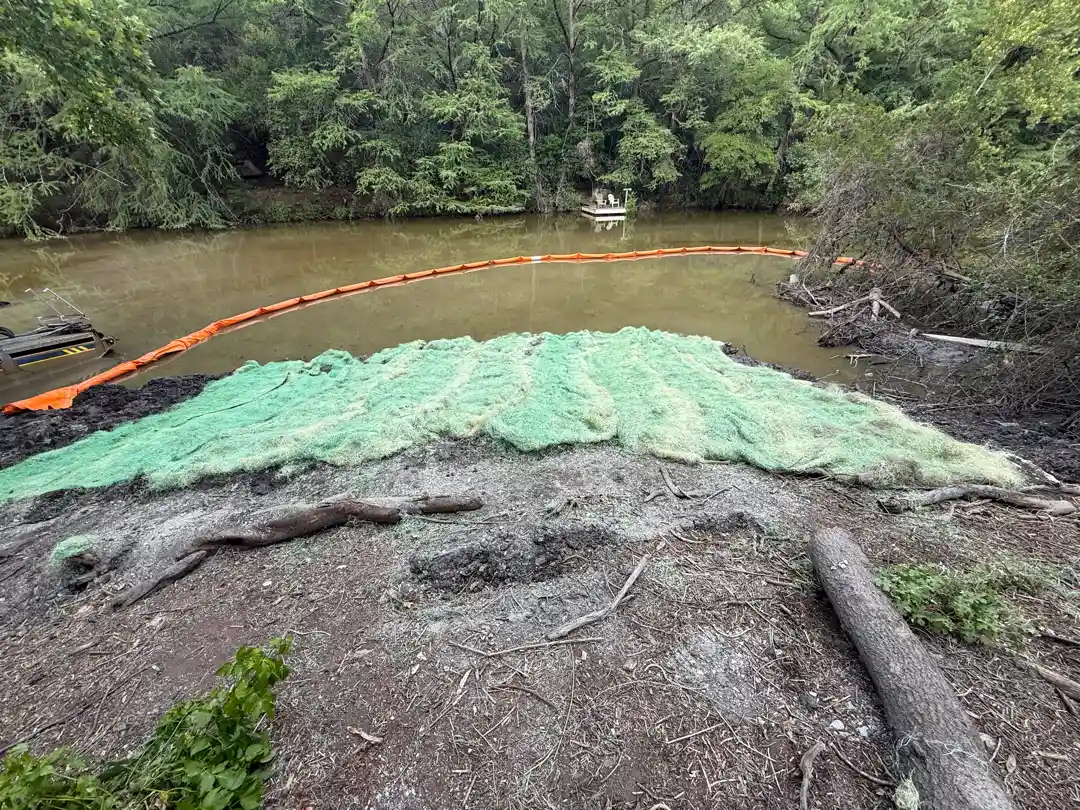
ATX Lakescapes plans shoreline stabilization using options such as riprap, retaining walls, geotextile, and plantings. The erosion pattern, water exposure, site access, and applicable approvals determine which approach fits the property and what the project includes.
Price range: Based on your site and project scope
What's Included
Built to the Highest Standard
A shoreline plan starts with what is causing the soil loss. We assess the bank, drainage, water exposure and nearby structures before comparing stabilization approaches. The scope should address those conditions while preserving usable waterfront access and a considered appearance.
How It Works
Our Shoreline Erosion Control Process
Understand the Site
Review visible erosion, slope, drainage, water exposure, existing walls and nearby structures. Identify where measurements or specialist assessment are needed.
Define the Approach
Compare suitable structural, planting and drainage measures. Establish project limits, materials and any engineering requirements.
Confirm Access & Approvals
Plan equipment access and material handling. Establish the relevant authorities, required submissions and responsibilities before work begins.
Install & Review
Complete the agreed work and review the result, maintenance considerations and any follow-up observations needed.
Related waterfront work
Discuss overlapping needs early: aquatic weed cutting, dredging and sediment removal, and waterfront design and lakescaping. Each activity needs a clear scope and plan for access and material handling.
For Highland Lakes work, consult the current LCRA dredge and fill guidance and confirm which requirements apply to your location and proposed activity.
FAQ
Common Questions
What information helps you assess shoreline erosion?
Send photos of the affected bank and adjacent structures, the lake or area, and what changes you have noticed over time. Include available surveys, previous repairs and known drainage issues.
Do I need a wall, rock or planting?
That depends on the site. Slope, soil, water exposure, drainage and nearby structures influence the approach. We assess suitable options rather than assume every shoreline needs the same treatment.
Can the finished shoreline look natural?
Appearance is part of the design discussion. Material selection, placement and planting can be considered alongside the stabilization requirements and access you want to preserve.
How long will stabilization last?
Service life depends on design, materials, installation, site conditions and ongoing care. The proposal should explain applicable warranty terms and maintenance needs; no universal lifespan is promised.
What affects the cost?
The affected length and height, access, material quantities, removal and handling, drainage work and engineering requirements all contribute. Photos begin the assessment, but a defined site-specific scope is needed for an estimate.
Are permits or notifications required?
Requirements depend on location and the proposed activity. Shoreline work can involve dredge-and-fill review as well as other site requirements. Confirm the applicable process and submission responsibilities with the relevant authorities before work starts.
Is sediment removal included?
Not automatically. Removing lakebed sediment is a dredging scope with separate material-handling and review requirements. Tell us if sediment and erosion are both concerns so they can be assessed together and priced clearly.
Comparing project bids?
Check that each proposal explains the scope, materials, permit responsibilities, and warranty terms.
Questions to ask every contractorFree On-Site Consultation
Let's talk through your project.
Tell us what you need help with and where your property is located. We'll discuss the next steps for your shoreline erosion control needs.
Serving Lake Travis, Lake Austin & Central Texas
- Planning Around Your Property