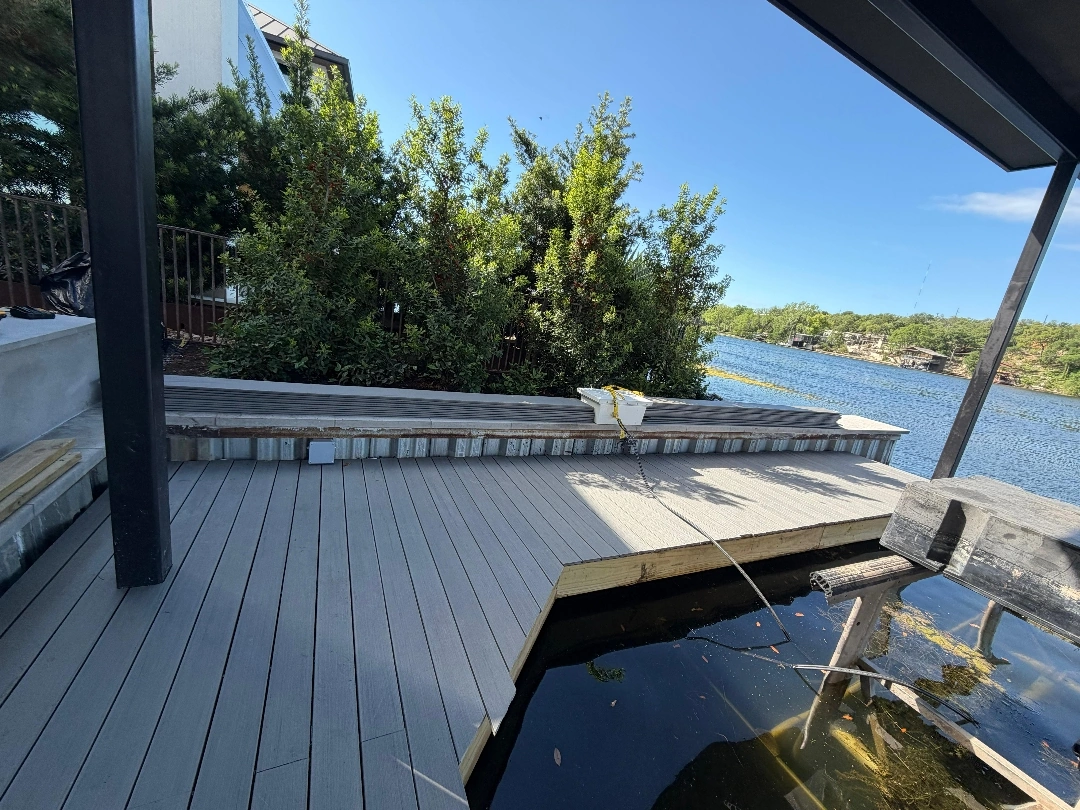
Lake Travis vs Lake Austin: Planning a Dock for Your Property
Choosing between a Lake Travis and a Lake Austin property is easier when you compare the actual shoreline and the way you want to use it. The lake name alone cannot tell you whether a dock, lift, access ramp or outdoor space will work for your family. Start with the site, existing structure and vessel, then review the proposal against those needs.
Compare usable access, not just the view
For each property, ask how you will reach the dock, what water depths are available around the slip, and how changes in conditions affect use. Request the observations or measurements behind the proposed dock and lift arrangement. Ask which operating limits and adjustments should be included in the plan.
If the property already has a dock, review its condition and available documentation before treating it as ready for your boat. A condition assessment, structural review and equipment selection can have different scopes; agree on what is being evaluated.
Confirm the right approval path
Lake Austin and Lake Travis do not share a single dock-permit process. LCRA's guidance covers residential dock safety on its Highland Lakes and identifies the City of Austin as responsible for Lake Austin dock regulations. Austin's boat-dock guidance explains the reviews applicable to work on Lake Austin. Requirements depend on the property and the work proposed; do not assume that an existing dock makes every addition or replacement exempt.
Use the current LCRA dock guidance and City of Austin boat-dock guidance, and ask who is responsible for drawings, applications and other approvals in your project. Our permitting planning guide provides questions for that conversation.
Compare quotes on the same scope
A Lake Austin and a Lake Travis dock can require different structures and access plans, but the lake name alone does not determine the price. Compare proposals that identify the same included work:
- Dock layout, slip count and access arrangement.
- Lift equipment and the loaded vessel it needs to support.
- Frame, decking, roof and other specified materials.
- Demolition, utilities and shoreline work.
- Engineering, application responsibilities, allowances and exclusions.
ATX Lakescapes quotes custom dock work after site and scope review. This article does not publish a lake-specific price band or a percentage premium for one lake.
Plan the waterfront around your priorities
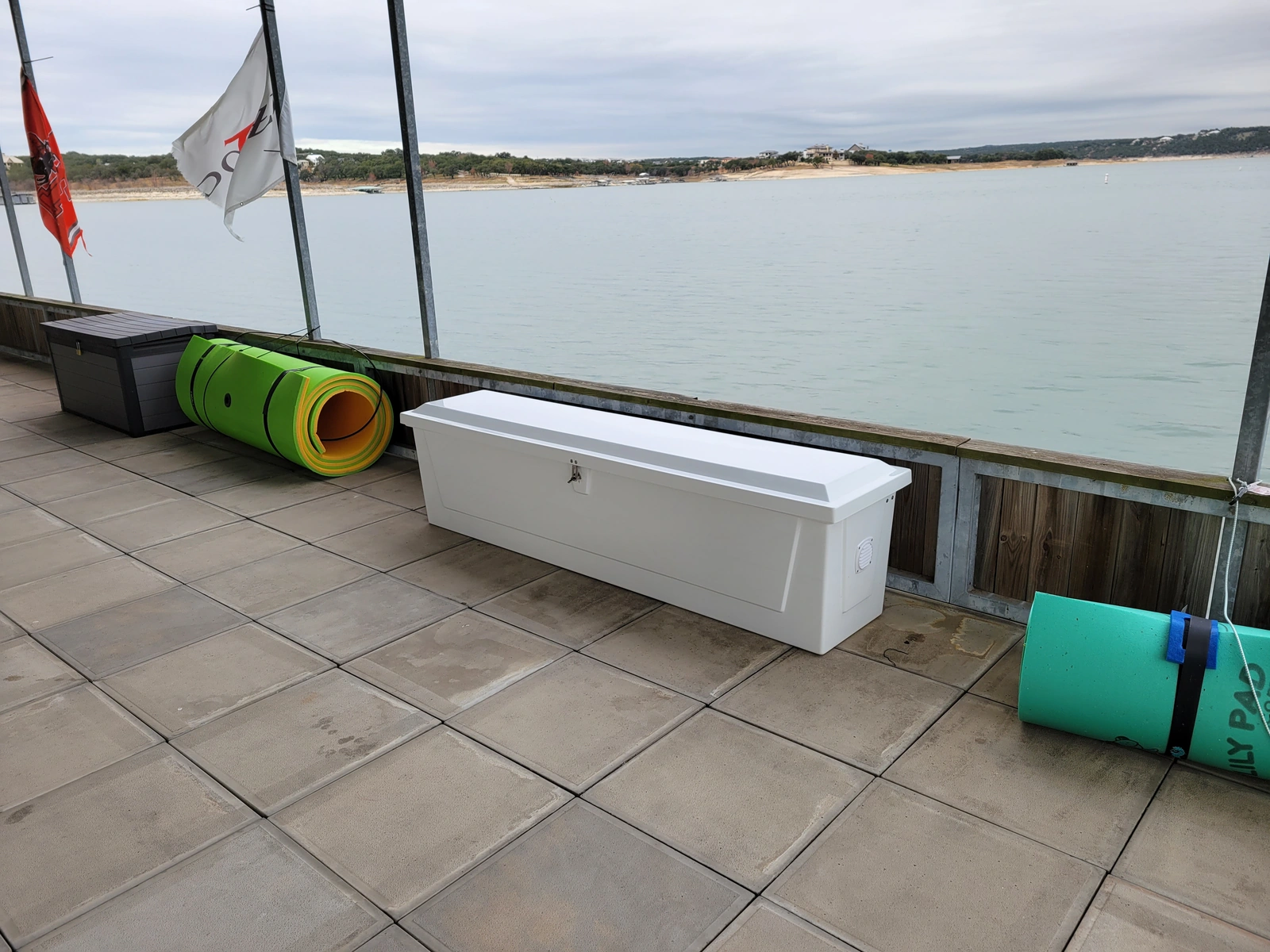
Consider how often you will launch the boat, where people will gather, how you will store equipment, and how the dock connects to the rest of the property. Discuss whether the project should include shoreline stabilization or waterfront outdoor design. Those services need their own defined scope.
Bring the property location, dock and shoreline photos, boat details and a short list of priorities to the first conversation. Contact ATX Lakescapes to discuss the property and the next step toward a scoped proposal.
Ready to Start Your Lakefront Project?
Schedule a free consultation with our team today.
Book a ConsultationKeep Reading

How Long Does It Take to Build a Boat Dock in Austin?
Read
Best Boat Dock Builder in Austin TX: How to Choose the Right Marine Contractor
Read